

 Fraud
FraudMay 14, 2026
7 Tips to Avoid Utility Scams
Scammers are becoming increasingly aggressive when targeting utility customers, and unfortunately, these scams are becoming more common throughout our region. Fraudsters often pose as trusted organizations like PECO and use fear, urgency, and confusion to pressure people into handing over money or personal information. While scam tactics continue to evolve, you can identify a utility scam by the same red flags used in other fraud attempts:
- Immediate payment required
- Threats to disconnect your power or utility service the same day
- Unusual form of payment specified (e.g., prepaid debit card, cash transfer apps)
- Calls, texts, emails or even in-person visits asking for personal banking information
Use these tips to protect yourself and your finances from the high cost of utility scams:
1. Be wary of unusual messages.
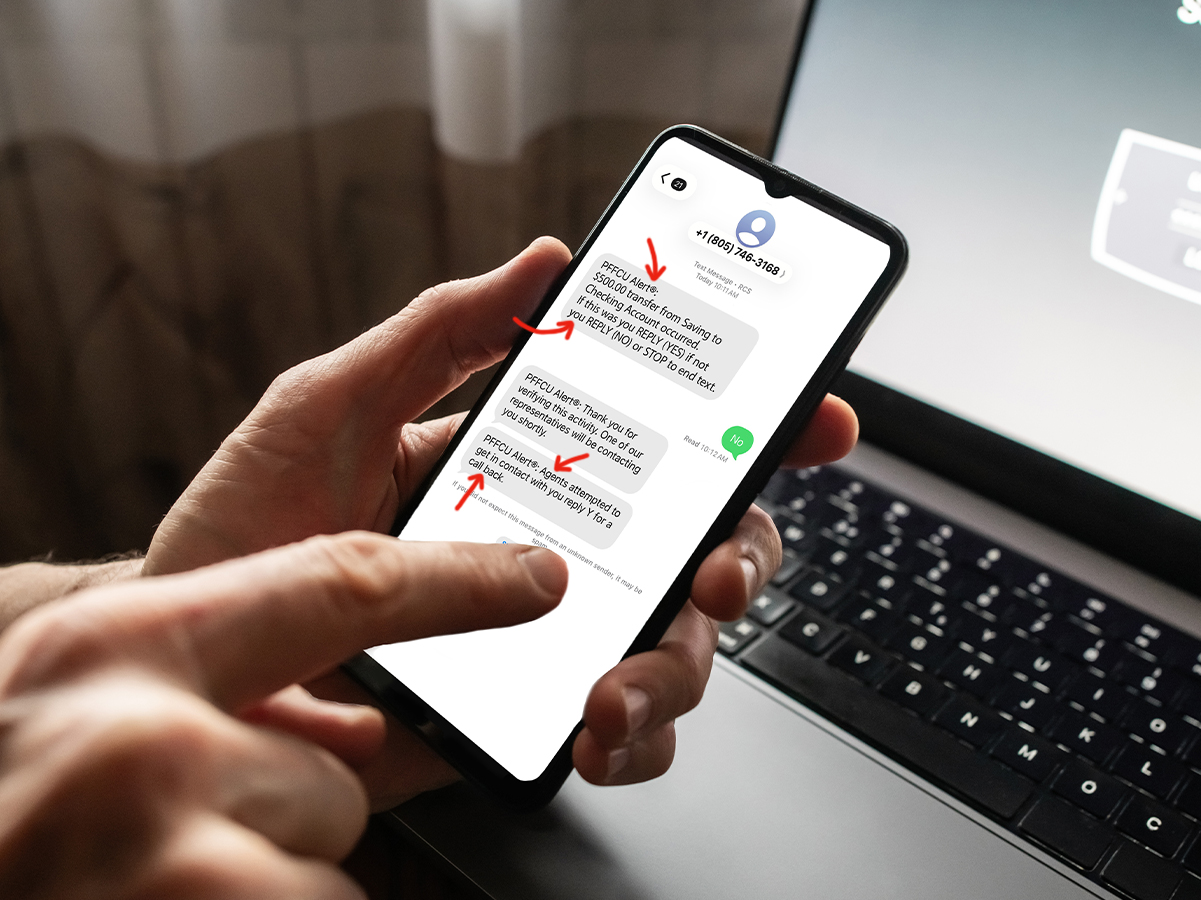
With an illegal technical trick called “spoofing,” scammers force your Caller ID, text app, or email inbox to display the name of a trusted organization. The fraudsters digitally mask their own identities to falsely appear as if they’re genuine utility company representatives.
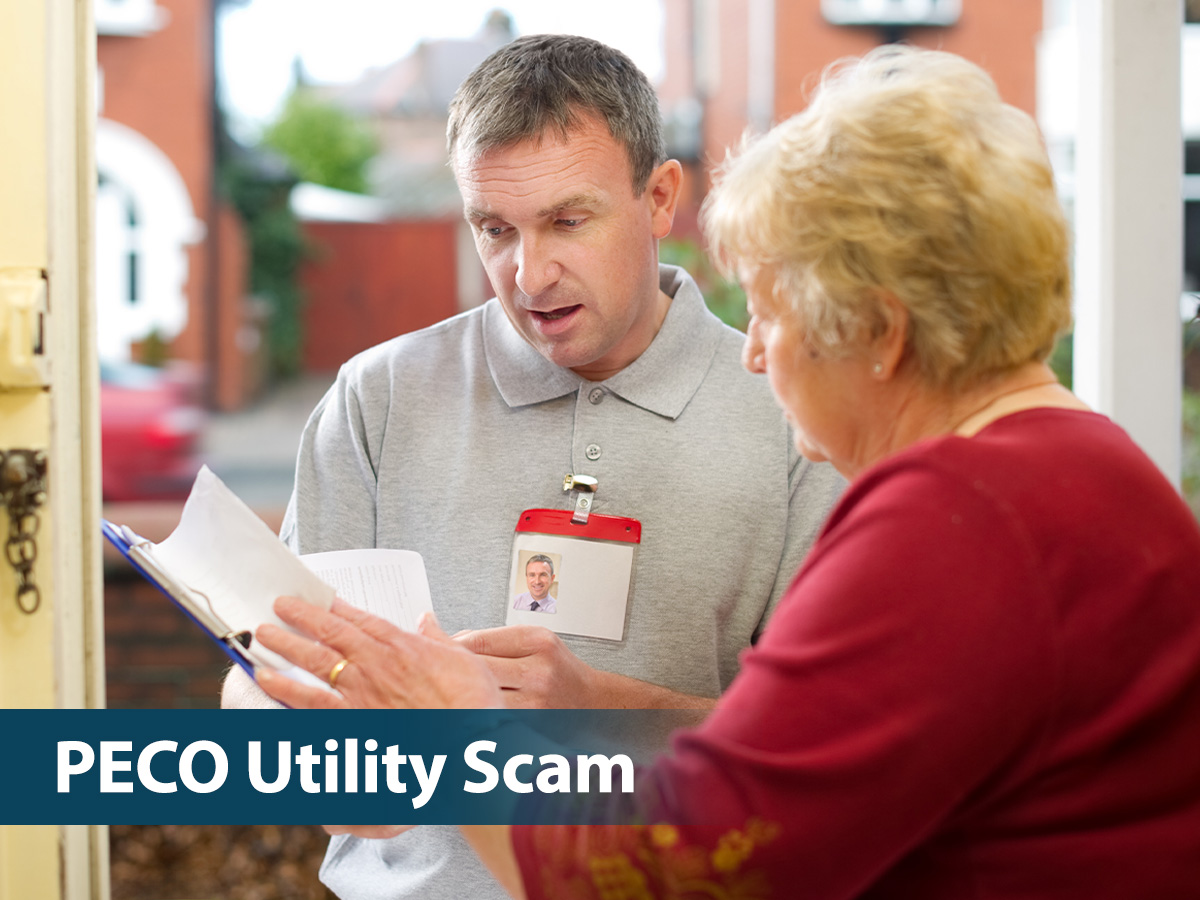
In some cases, scammers go door to door pretending to be utility workers. If anyone claiming to be a utility representative makes an unscheduled visit, remain cautious and ask to see a photo ID. Do not let anyone into your home without advance notice confirmed through official channels (see tip 3, below). PFFCU/PECO would never come to your house, nor would we reach out and ask for any personal info.
2. Ignore their links and phone numbers.
Scammers may demand payment through a particular phone number or website. Never use the contact methods in their messages.
3. Go directly to the source.
Before taking any action, contact the utility company through an established channel to confirm what you’re being told. For instance, you can log into their app, open a new browser window to visit their website, or check a recent statement or bill for the official phone number; then you’ll be sure to reach an authentic representative to tell you where your account stands. You can regularly monitor charges on your PFFCU accounts through your PFFCU Mobile Banking App.
4. Know your rights.
Scammers make threats, such as cutting off a utility in one hour. They rely on panic and urgency. Before you fret, do a quick web search, and you’ll find state laws that protect you from same-day termination.
Standard consumer protection laws require advance written notice, as well as additional advance contact attempts, before a utility company can terminate service. Check with your state’s utility authorities for the laws that protect you.
5. When paying, use standard payment methods only.
Only a scammer will demand payment via cryptocurrency, prepaid debit card, wire transfer, cash transfer app, or gift cards.
Their fraud depends on payments that are difficult to trace and impossible to refund.
6. Never share confidential information.
Paying your utility bill does not require you to share your Social Security number, driver’s license number, or financial account logins. Such requests are red flags that you’re speaking to an identity thief.
7. Be especially wary in crisis situations.
During power outages, scammers have contacted area residents claiming that, for a fee, they can restore their service faster; your utility company will never make such an offer. While you may have real alternatives for some utilities, use the same precautions to confirm the information, pay by standard methods, and protect your confidential financial data. Take the few extra minutes to verify information that can prevent financial loss and identify theft. If you are unsure whether a message or request is legitimate:
- Contact your utility company directly
- Reach out to your financial institution
- Speak with a trusted family member or friend before taking action
A legitimate company will never pressure you into immediate payment or demand sensitive information through threatening tactics. Staying informed and cautious is one of the best ways to protect yourself and your finances from fraud.